
Fourth of July Order Example That Works
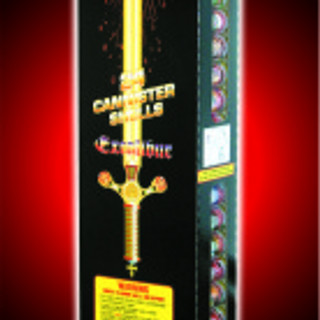
The fastest way to wreck a July 4th party is placing a random cart full of fireworks and hoping it somehow turns into a great show. A smart fourth of july order example does the opposite. It builds around pace, variety, crowd reaction, and budget, so every item has a job and the finale actually feels like a finale.
Most buyers do not need a complicated firing plan. They need an order that makes sense for a backyard party, covers the crowd from kids to adults, and delivers enough power without wasting money on overlap. That is where a real-world example helps. Instead of guessing between cakes, shells, sparklers, and novelties, you can see how a balanced order comes together and why certain categories earn their spot.
A practical fourth of july order example
Here is a strong example for a family-hosted backyard celebration with 20 to 40 guests. The goal is simple - keep the early part fun and approachable, build energy after dark, and finish with bigger effects that look worth the wait.
Start with sparklers and novelties for the warm-up. They buy you time while guests arrive, kids stay engaged, and the atmosphere builds before the main show. Add a few safe and sane items if they are legal in your area and fit the kind of gathering you are hosting. This part of the order is not about raw power. It is about keeping the celebration moving.
Next, bring in Roman candles, missiles, or smaller fountains if you want a transition layer before the aerials. Some buyers skip this step, and that can work, but a short middle section gives the show better rhythm. It stops the night from feeling like thirty minutes of waiting followed by ten minutes of everything at once.
The main body of the order should lean on 200 gram cakes and artillery shells. This is where you get repeat action, color changes, crackle, tails, breaks, and enough height to make the crowd pay attention. A few 200 gram cakes create steady momentum. Artillery shells add that hard-hitting punch people remember.
Then finish with 500 gram finale cakes or 3 inch finale cakes if your setup, budget, and local rules support them. This is where the order earns its keep. Bigger finales create a clean ending and make the whole show feel organized instead of accidental.
A sample cart might look like this in broad terms: a pack or two of sparklers, several novelty items, two to four transition pieces, four to eight 200 gram cakes, one or two shell kits, and two to four bigger finale cakes. That range gives flexibility. A smaller yard, tighter budget, or noise-sensitive neighborhood may call for fewer shells and more cakes. A more fireworks-savvy crowd may want the reverse.
Why this order example works
A lot of shoppers make one of two mistakes. They either buy too many low-impact items and never get to the big moment, or they buy only heavy hitters and burn through the night too fast. A better fourth of july order example balances build-up and payoff.
Sparklers and novelties stretch the event. They are not just filler. They help younger guests feel included, and they take pressure off the main lineup. That matters if dinner runs late or guests are still arriving when the sun starts to drop.
The middle layer matters because it creates pacing. Not every firework needs to be a monster break. Smaller fountains, Roman candles, or mid-level aerial items reset the crowd and give the bigger products more impact when they hit.
The core of the order sits in the cake-and-shell mix because that is where you get the strongest combination of convenience and spectacle. Cakes are easy to stage and offer strong visual variety. Shell kits bring noise, lift, and that single-shot drama. If you only buy one category, your show can feel flat. Together, they give you more range.
The finale section is where buyers should resist going cheap. You do not need ten finales. You need enough firepower to close with authority. Two or three properly chosen finale cakes usually outperform a pile of random leftovers fired at the end.
How to build your own order from this example
The best fireworks order is not always the biggest one. It is the one that fits your space, your crowd, and your state rules. Start with the kind of night you are actually planning.
If your event is family-heavy with younger kids, put more budget into sparklers, fountains, novelties, and colorful cakes rather than max-noise shell kits. You still want aerials, but the show should feel fun, not punishing. If your crowd is mostly adults who want a stronger backyard display, shift more of the budget into artillery shells, 500 gram cakes, and stronger multi-shot effects.
Budget changes the mix too. On a tighter order, prioritize fewer categories and better-performing products instead of trying to sample everything. A compact cart with a couple of excellent cakes, one solid shell kit, and crowd-pleasing sparklers will usually beat a bloated order full of weak overlap.
Yard size is another factor people ignore. Big effects in a tight neighborhood can create headaches fast. In smaller spaces, cakes often make more sense than stacking too many shell kits. They deliver height and color while keeping your show cleaner and easier to manage.
Then there is timing. If you wait too long to shop, your best options get picked over. Seasonal demand spikes hard as the holiday gets close, especially on best sellers and finale-heavy categories. The earlier you build the order, the better your chances of getting the exact mix you want instead of settling for substitutes.
Best category mix for most buyers
For a lot of July 4th shoppers, the sweet spot is variety without chaos. That usually means one kid-friendly section, one transition section, one strong main section, and one finale section.
Kid-friendly can be as simple as sparklers and a few novelties. Transition can be a couple of Roman candles or small fountains. The main section should do the real work, and that is where 200 gram cakes and shell kits carry the load. The finale section should feel bigger than everything before it.
This category-based approach makes shopping faster. It also keeps the order from getting lopsided. Too many novelty items can eat budget without improving the show. Too many giant finale pieces can leave you with a short, top-heavy night that peaks too soon.
For shoppers who want more bang for the dollar, case quantities and warehouse-style buying can change the equation. Bulk ordering makes sense when you host a larger annual party, split an order with friends, or already know which categories your crowd likes most. The trade-off is obvious - lower per-unit pricing can be great, but only if you are buying products you will actually use.
Common mistakes this fourth of july order example avoids
The first mistake is buying by package art instead of performance category. Flashy labels sell, but your cart still needs structure. Build around what each item does in the show, not just what the wrapper promises.
The second is overbuying small items because they look cheap. Ten low-impact items can cost more than one quality cake that actually changes the night. Bargain hunting works best when it is tied to stronger categories, case deals, or proven best sellers.
The third is forgetting logistics. Fireworks are not a casual last-minute buy. Availability, delivery timing, local pickup options, and state-by-state restrictions all shape what is realistic. Best Fireworks Stores stands out here because the shopping model is built around broad selection, fast ordering access, and clear fulfillment rules where legally permitted.
The fourth is skipping the finale plan. If your show ends with whatever is left in the box, it usually feels weak. Decide early which products are reserved for the last sequence and keep them separate.
Make the order feel bigger without overspending
A stronger show does not always come from spending more. It often comes from firing better categories in the right order. A few quality cakes with distinct effects create more excitement than repeating the same visual over and over. One shell kit used at the right moment can feel bigger than several smaller throwaway pieces.
You can also make a modest order feel stronger by protecting the pacing. Do not rush the best products early. Let the night build. Save higher-break cakes and finales for when the crowd is fully locked in and the sky is dark enough to give them maximum impact.
The smartest buyers think like show builders, not impulse shoppers. They want color early, stronger aerials in the middle, and a hard finish that gets people cheering instead of checking their phones.
If you are using this fourth of july order example as your starting point, keep one rule front and center: buy for the show you want your guests to remember, not just the cart you want to fill. When every category has a purpose, your holiday order hits harder, looks sharper, and feels like money well spent.
Comments